

Crop Type
Round
Plant Type
Indeterminate
Color
Raspberry
Growing System
heated tunnel
Resistances
Vd, ToMV, TYLCV, TSWV, Mj, Ff, Fol, Mi



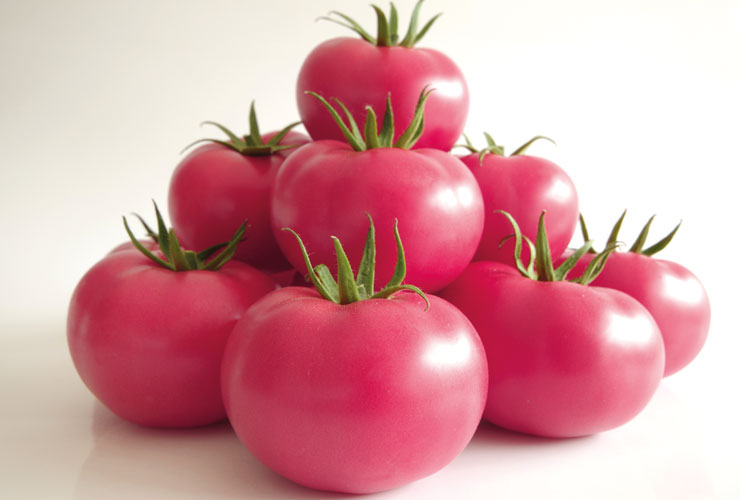
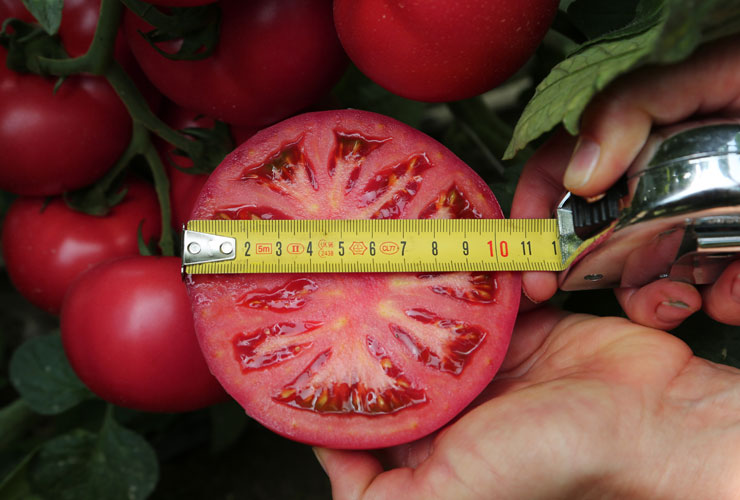
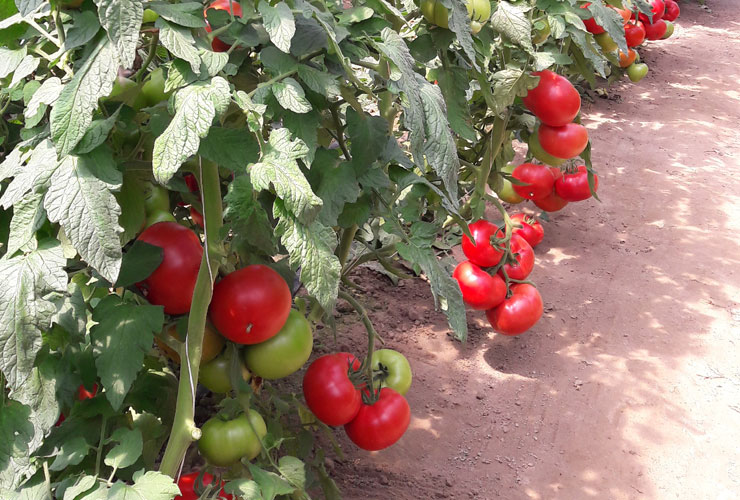


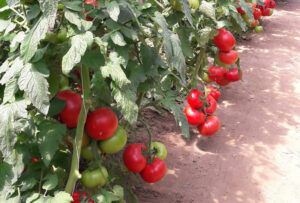

Manistella F1 is a new variety in our range for growing in tunnels. This is a raspberry tomato with gigantic fruit.
suitable for short and extended cultivation cycles (8-12 clusters)
pink colour, large fruit – 250-300 g
without green shoulder
Manistella (currently under registration procedure) is a easy to grow, medium early variety of raspberry tomato. Yield comparable to other red tomatoes with large fruit.
Plants with strong vigour form regular clusters; do not lose its vigour even when carrying a heavy crop of fruits. Manistella produces uniform fruit; minimal sorting during harvesting. Tomatoes are tasty, flattened, ribbed, with a nice sepal and evenly coloured; long shelf life.
Have a look at our beautiful Manistella in the summer⇓.
Manistella F1 is a new variety in our range for growing in tunnels. This is a raspberry tomato with gigantic fruit.
suitable for short and extended cultivation cycles (8-12 clusters)
pink colour, large fruit – 250-300 g
without green shoulder
Manistella (currently under registration procedure) is a easy to grow, medium early variety of raspberry tomato. Yield comparable to other red tomatoes with large fruit.
Plants with strong vigour form regular clusters; do not lose its vigour even when carrying a heavy crop of fruits. Manistella produces uniform fruit; minimal sorting during harvesting. Tomatoes are tasty, flattened, ribbed, with a nice sepal and evenly coloured; long shelf life.
Have a look at our beautiful Manistella in the summer⇓.
Crop Type
Round
Plant Type
Indeterminate
Color
Raspberry
Growing System
heated tunnel
Resistances
Vd, ToMV, TYLCV, TSWV, Mj, Ff, Fol, Mi
For tomatoes:
* Pod silną presją szkodników i/lub w niekorzystnych warunkach środowiskowych i/lub w obliczu nowych biotypów, patotypów, ras lub szczepów szkodników, które mogą się wyłonić odporne odmiany mogą wykazywać pewne objawy chorobowe lub uszkodzenia. Temperatura gleby powyżej 27°C lub inne obciążenia mogą spowodować załamanie odporności na mątwika.
**Prosimy o zapoznanie się z definicjami ISF na stronie https://worldseed.org/wp-content/uploads/2022/11/Definition_on_reaction_plants_to_pests_2022_final_clean2.pdf
Egzemplarz definicji terminów opisujących reakcje roślin na szkodniki na potrzeby branży nasiennictwa roślin można uzyskać, na żądanie, w naszych biurach.
For all other crops:
* Pod silną presją szkodników i/lub w niekorzystnych warunkach środowiskowych i/lub w obliczu nowych biotypów, patotypów, ras lub szczepów szkodników, które mogą się wyłonić odporne odmiany mogą wykazywać pewne objawy chorobowe lub uszkodzenia.
**Prosimy o zapoznanie się z definicjami ISF na stronie https://worldseed.org/wp-content/uploads/2022/11/Definition_on_reaction_plants_to_pests_2022_final_clean2.pdf
Egzemplarz definicji terminów opisujących reakcje roślin na szkodniki na potrzeby branży nasiennictwa roślin można uzyskać, na żądanie, w naszych biurach.

Manistella F1 is a new variety in our range for growing in tunnels. This is a raspberry tomato with gigantic fruit.
suitable for short and extended cultivation cycles (8-12 clusters)
pink colour, large fruit – 250-300 g
without green shoulder
Manistella (currently under registration procedure) is a easy to grow, medium early variety of raspberry tomato. Yield comparable to other red tomatoes with large fruit.
Plants with strong vigour form regular clusters; do not lose its vigour even when carrying a heavy crop of fruits. Manistella produces uniform fruit; minimal sorting during harvesting. Tomatoes are tasty, flattened, ribbed, with a nice sepal and evenly coloured; long shelf life.
Have a look at our beautiful Manistella in the summer⇓.
For tomatoes:
* Pod silną presją szkodników i/lub w niekorzystnych warunkach środowiskowych i/lub w obliczu nowych biotypów, patotypów, ras lub szczepów szkodników, które mogą się wyłonić odporne odmiany mogą wykazywać pewne objawy chorobowe lub uszkodzenia. Temperatura gleby powyżej 27°C lub inne obciążenia mogą spowodować załamanie odporności na mątwika.
**Prosimy o zapoznanie się z definicjami ISF na stronie https://worldseed.org/wp-content/uploads/2022/11/Definition_on_reaction_plants_to_pests_2022_final_clean2.pdf
Egzemplarz definicji terminów opisujących reakcje roślin na szkodniki na potrzeby branży nasiennictwa roślin można uzyskać, na żądanie, w naszych biurach.
For all other crops:
* Pod silną presją szkodników i/lub w niekorzystnych warunkach środowiskowych i/lub w obliczu nowych biotypów, patotypów, ras lub szczepów szkodników, które mogą się wyłonić odporne odmiany mogą wykazywać pewne objawy chorobowe lub uszkodzenia.
**Prosimy o zapoznanie się z definicjami ISF na stronie https://worldseed.org/wp-content/uploads/2022/11/Definition_on_reaction_plants_to_pests_2022_final_clean2.pdf
Egzemplarz definicji terminów opisujących reakcje roślin na szkodniki na potrzeby branży nasiennictwa roślin można uzyskać, na żądanie, w naszych biurach.
